How To Live Comfortably In A Portable Tent Home
Whether you're pitching a camping tent on fresh lawn or setting up camp after a rainy afternoon, a waterproof ground sheet is one of those pieces of gear that quietly earns its maintain. It's not one of the most attractive product in your set, however experienced campers, hikers, and festival-goers will certainly inform you-- leaving one behind is an error you just make once.What Is a Water-proof Ground Sheet?
A waterproof ground sheet is a protective layer put either underneath your outdoor tents or inside it on the flooring. Its main task is to develop a barrier in between you and the ground, stopping moisture, mud, and cool from permeating up. Think of it as a raincoat for the bottom of your sanctuary.
While lots of modern-day camping tents included a built-in groundsheet sewn right into the base, a different, outside ground sheet adds an additional degree of defense-- and can substantially prolong the life of your camping tent's flooring.
Why You In Fact Required One
The ground is never as dry or clean as it looks. Even on a clear summer night, ground moisture climbs, condensation kinds, and early morning dew can work its way into fabrics over time. Without a ground sheet, your outdoor tents flooring takes the complete force of this.
Right here's what a water-proof ground sheet shields versus:
Wetness and Water Access
Rainfall does not simply drop from above-- it sprinkles up from the ground and fills the soil beneath your outdoor tents. A correct ground sheet with great waterproof ratings keeps that dampness from working through the tent floor and into your sleeping location.
Abrasion and Put on
Rocks, origins, and harsh terrain can slowly tear through tent floorings with duplicated usage. Putting a ground sheet beneath considerably lowers rubbing and wear, securing your outdoor tents's base and saving you from pricey substitutes.
Insulation from Cold Ground
Cold ground attracts warm far from your body quicker than cold air does. A ground sheet includes a layer of insulation that assists keep warmth, making your night's rest significantly much more comfy in cooler conditions.
Types of Waterproof Ground Sheets
Not all ground sheets are developed equivalent. The right option depends on exactly how and where you're camping.
Polyethylene (Poly Tarp) Ground Sheets
These are the most budget-friendly and widely readily available option. Polyethylene tarpaulins are highly water resistant, durable, and easy to locate. The downside is weight and mass-- they're not excellent for lightweight backpacking but function well for automobile outdoor camping or celebrations.
Nylon Ground Sheets
Nylon ground sheets are lighter and a lot more packable than poly tarpaulins, making them a preferred choice among backpackers. They're commonly treated with a waterproof layer and supply an excellent equilibrium in between weight, sturdiness, and efficiency.
Polycryo Ground Sheets
A favourite amongst ultralight walkers, polycryo (polycryolite) sheets are extremely light-weight and portable. They provide strong waterproofing for short journeys however are less sturdy than nylon or polyethylene over prolonged, tough usage.
Footprint Ground Sheets
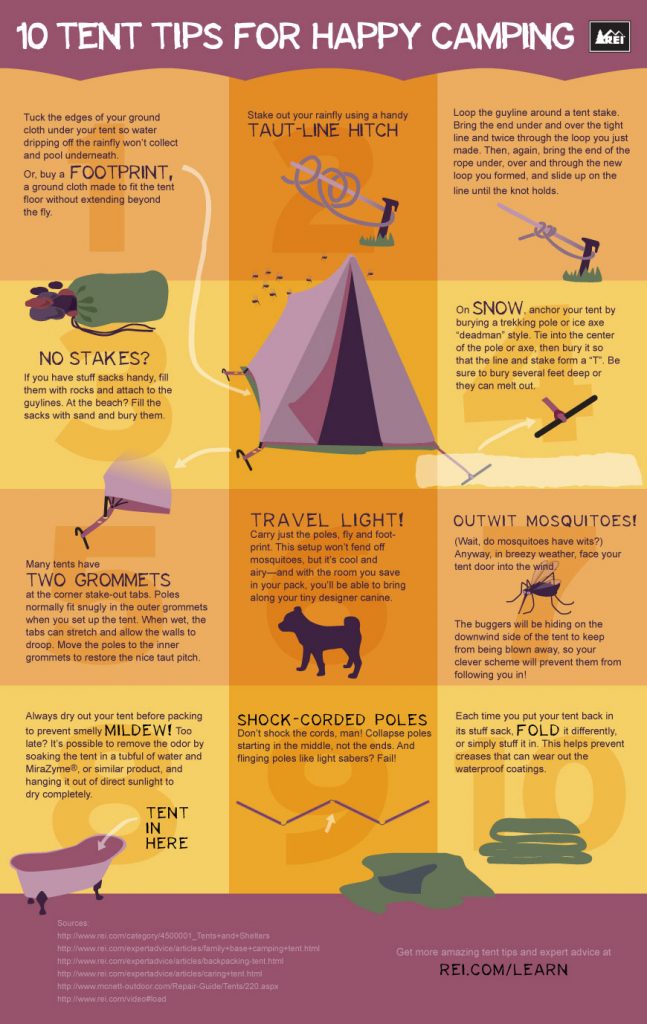
Footprints are custom-cut ground sheets made to match the specific form of a particular tent model. Several outdoor tents makers sell these as accessories. While more costly, they fit completely and don't prolong beyond the outdoor tents borders-- an usual trouble that can transport rainfall beneath if a ground sheet is as well huge.
How to Select the Right Ground Sheet
Dimension Issues-- Yet Not in the Means You Assume
Your ground sheet need to be a little smaller than your camping tent's external impact. If it expands beyond the outdoor tents wall surfaces, rainwater can accumulate on the sheet and funnel underneath-- the specific issue you're trying to stay clear of. Aim for a ground sheet that sits simply inside the tent border.
Think about the Weight
For vehicle campers and festival-goers, weight is rarely a worry. However if you're carrying whatever on your back, every gram matters. Lightweight nylon or polycryo options can weigh just 100-- 200 grams and load to the dimension of a clenched fist.
Check the Hydrostatic Head Score
Waterproofing is measured in hydrostatic head (HH) scores-- the greater the number, the more water pressure the product can hold up against prior to dripping. For ground sheets, try to find a minimum rating of 3,000 mm HH. Heavy rainfall or boggy ground conditions necessitate something closer to 5,000 mm or over.
Taking care of Your Ground Sheet
A ground sheet is only just as good as the care you give it. After each trip, get rid of dust and debris, clean it down with a wet fabric, and permit it to completely dry fully before keeping. Fold or roll it freely to stay clear tents on sale of long-term creasing, and shop it away from straight sunshine, which can deteriorate water resistant finishings gradually.
If you notice the waterproofing becoming much less effective, a straightforward laundry and re-application of a DWR (Sturdy Water Repellent) spray can restore efficiency for a fraction of the expense of a replacement.
Final Ideas
A water-proof ground sheet is a tiny investment that pays dividends across every outdoor camping trip. It shields your camping tent, maintains you dry, adds heat, and makes the entire outdoor experience a lot more comfortable. Whether you choose a budget poly tarp or a precision-cut impact, obtaining the ground below you arranged is constantly time well invested.